- September 18, 2026 /
- Uncategorized /
- By swati /
- 0 Comments
Have you ever thought about how drivers get into accidents even if they are skilled and experienced? It is not that they don’t understand the importance of driving safely, but sometimes the mistakes of other drivers can put them at high risk of injury. Driving safely is a responsibility for every driver. However, there are certain issues that drivers often experience while navigating the roads of Irving, Texas. Such issues can be faced by any driver, whether you are a new driver, a teenager learning to drive, or an experienced one. Thus, it is very important to know how to respond to road rage, unexpected road hazards, and driving emergencies to combat the risks of accidents and compromised safety. Defensive Driving Techniques in Irving TX plays a crucial role as a safety and preventive skill against such accidents. It is not only about following traffic rules but also involves anticipating potential dangers, staying alert, and making wise decisions while you are behind the wheel.
Why Road Safety Matters for Every Driver
Road safety matters because drivers share the road with pedestrians, cyclists, motorcycles, and other vehicles. A moment of distraction, aggressive driving, or an incorrect reaction to an emergency can lead to serious consequences. Following simple rules can help save lives and avoid crashes, which can otherwise lead to financial and emotional burdens for affected families. We often find new drivers struggling to safeguard themselves from other drivers who drive recklessly. In such a situation, learning defensive driving techniques can be a boon for them. It can help drivers recognize potential hazards early and respond appropriately. Staying focused, maintaining a safe following distance, obeying speed limits, and avoiding risky driving behaviors are some of the basic habits that contribute to safer roads.
Understanding Road Rage and Aggressive Driving
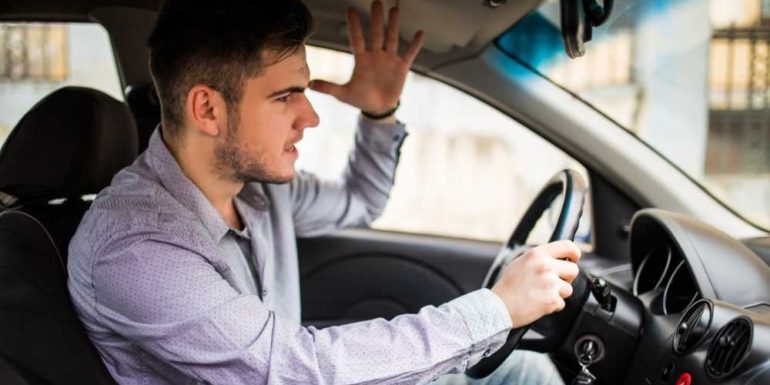
While your car navigates through the roads of Texas, you might experience aggressive or hostile behavior from others while driving. This includes excessive honking, tailgating, speeding, sudden lane changes, yelling at other drivers, or attempting to confront another road user. These are all examples of road rage and aggressive driving, which might increase the chances of collisions due to excessive speed, impatience, and poor decision-making skills. To maintain the safety of drivers, it is always advised during their learning sessions that they should avoid responding to such aggressive behavior with aggression of their own. Learning Defensive Driving Techniques in Irving TX can help drivers stay alert and prepared for unexpected situations on the road.
How to Stay Calm During a Road Rage Situation

As a new driver, people might find it difficult to handle road rage situations. However, it is always advised to avoid making eye contact or responding with gestures if another driver is behaving aggressively. You must not chase, block, or attempt to confront the other driver during a road rage situation. Instead, it is always recommended to maintain a safe distance and focus on driving defensively. Another solution is to change your route or pull into a safe, populated location. If you sense immediate danger, you must contact the appropriate emergency authorities instead of confronting the aggressive driver. Another solution that might look simple but is highly effective includes listening to music and avoiding multitasking which makes driving more enjoyable and less stressful.
Recognizing Common Road Hazards
Road hazards can appear when you least expect them, that is why drivers should constantly scan the road while driving and adjust their speed and position to avoid fatal accidents.Some of the common Road Hazards include
- Poor Weather and Reduced Visibility.
- Potholes, Debris and Damaged Roads
- Construction Zones and Lane Closures
- Pedestrians, Cyclists and Motorcycles
- Animals and Unexpected Road Obstacles
- Blind Spots and Sudden Lane Changes
How to Handle Common Driving Emergencies
While driving there are chances of unexpected driving emergencies and Knowing what to do during a crisis can help drivers remain calm and reduce additional risks. There are some of the common driving experiences that drivers often share will us and some of the are
Tire Blowout and How to handle it
A tire blowout is a sudden loss of tire pressure that can make it difficult to control your vehicle. It may happen because of an underinflated or damaged tire, excessive wear, overheating, or hitting potholes and road debris. A blowout can be especially dangerous at higher speeds, so knowing how to respond calmly is important for every driver.
Regular tire maintenance can reduce the risk of a blowout. If you experience Tire Blowout, you must keep a firm grip on the steering wheel, gradually release the accelerator, and allow the vehicle to slow down while maintaining control. After this you need to move away from traffic and stop in a secure location. For new drivers, understanding how to respond to a tire blowout is an important part of learning defensive driving and emergency handling skills.
Handling Brake Failure
Brake failure can be frightening, but staying calm is important. If your brakes stop working, do not panic or switch off the engine suddenly. Try pressing the brake pedal a few times, then gradually slow the vehicle by releasing the accelerator and shifting to a lower gear. Turn on your hazard lights and look for a safe place to pull over. Avoid sudden turns and use the parking brake carefully if needed. Once you are safely stopped, do not continue driving—call for professional help.
What to Do If Your Vehicle Skids
If your vehicle starts to skid, the first thing to do is stay calm and avoid sudden braking or steering. Take your foot off the accelerator and gently steer in the direction you want the vehicle to go. Keep your movements smooth and controlled until the tires regain grip. Once you have control, slow down and continue driving carefully, especially if the road is wet, slippery, or covered with loose material.
Engine Overheating and Vehicle Breakdown
If your engine starts overheating, safely pull over as soon as possible and turn off the engine. Do not immediately open the radiator cap, as hot coolant can cause serious burns. Let the engine cool down before checking anything. If your vehicle breaks down on the road, turn on your hazard lights and move to a safe location if possible. Stay away from moving traffic and call for roadside assistance if you cannot safely fix the problem yourself.
Learn Defensive Driving Techniques in Irving TX at Adult Teen Driving School
Defensive driving techniques are important for safe driving. They help drivers stay aware of their surroundings, spot possible hazards, control their speed, and make safer decisions in unexpected situations.
At Adult Teen Driving School in Irving, TX, our certified instructors help teens and adults build practical driving skills and become safer, more confident drivers. Teenagers and Adults can learn practical skills to handle road hazards, aggressive driving, and common driving emergencies. These skills can help drivers stay calm, make better decisions, and drive more safely and confidently. Students from Coppell, Euless, Grapevine, Grand Prairie, Farmers Branch, Carrollton, Bedford, Hurst, Arlington, and nearby Dallas–Fort Worth areas choose us for patient instruction, flexible scheduling, and real-world driving experience. We offer Driving Lessons, Driving Classes, and DPS Road Tests at affordable rates, helping students prepare for both the road test and everyday driving. Teens and adults can learn defensive driving techniques in Irving TX to build safer driving habits and improve their confidence.
Ready to become a safer and more confident driver? Contact Adult Teen Driving School today and start your driving journey with us.
-
-
swati

Recent Comments